
Dementia and Alzheimer’s progression typically follows three primary phases: early stage, middle stage, and late stage. Recognizing the distinct stages of dementia helps families anticipate evolving care needs, plan for safety, and implement effective support strategies at every step of the journey. While each individual experiences the condition uniquely, understanding these core phases allows loved ones to provide compassionate, stage-appropriate care and maintain quality of life.
Quick Summary
A comprehensive overview to help families understand dementia progression and prepare for care decisions.
- Early stage focuses on independence, mild memory support, and proactive future planning.
- Middle stage requires increased assistance with daily tasks and specialized behavioral management.
- Late stage prioritizes continuous hands-on care, comfort, dignity, and sensory stimulation.
- Early understanding empowers families to make informed, proactive decisions regarding long-term care.
Dementia Progression
Dementia is a progressive condition, meaning cognitive changes evolve gradually over time. Medical professionals often evaluate progression using detailed clinical frameworks like the seven-stage Global Deterioration Scale. For families navigating a new diagnosis, these detailed steps are broadly grouped into three major phases: early stage, middle stage, and late stage.
Understanding where a loved one is in this journey provides clarity rather than fear. Each phase presents specific behavioral, cognitive, and physical characteristics. Recognizing these transitions helps families adjust their communication styles, living environments, and level of care assistance in ways that promote dignity and safety.
Early Stage Dementia Symptoms and Support Strategies
In early stage dementia, an individual often maintains significant independence. They may continue driving, socializing, and managing daily activities, though subtle cognitive challenges begin to appear. Friends and family might notice mild memory loss, such as forgetting recent events, misplacing items, or struggling to find the right words during conversations.
Support during the early stage should focus on maintaining independence while establishing supportive routines. Helpful strategies include using daily planners, setting medication reminders, and simplifying complex organizational tasks. This is also the ideal window for families to engage in proactive legal, financial, and healthcare planning while the individual can actively express their preferences.
Middle Stage Alzheimer’s Challenges and Care Needs
The middle stage of Alzheimer’s is typically the longest phase and brings more pronounced changes in memory and physical ability. Individuals may experience difficulty recognizing familiar places, struggle with multi-step tasks like dressing, or exhibit mood shifts and anxiety. Behaviors such as wandering or sundowning syndrome, increased confusion in the late afternoon, frequently emerge during this phase.
Care needs during the middle stage shift toward hands-on assistance through comprehensive memory care services for activities of daily living, such as bathing, meal preparation, and personal grooming. Structured daily routines, secure physical environments, and non-pharmacological support, such as circadian lighting or calming sensory rooms, may help ease anxiety and manage behavioral changes safely.
Late Stage Dementia Care and Comfort Priorities
In late stage dementia care, cognitive impairment becomes severe, and physical abilities undergo significant decline. Individuals typically lose the ability to speak fluently, navigate their surroundings independently, or manage basic physical functions like swallowing. At this point, round-the-clock professional supervision and personal care become necessary.
Care priorities during the late stage center on physical comfort, pain management, and emotional connection. While verbal communication declines, individuals continue to respond to gentle sensory experiences, such as comforting music, soft touch, familiar aromas, and calm surroundings. Providing a tranquil, highly supportive environment ensures the individual receives dignified, compassionate care through the final phase of the disease.
Personalized 16-Room Care
Unlike large, 50-to-100-bed institutional facilities, Atlas Villas Memory Care is intentionally designed as a boutique 16-room community. This intimate setting allows our care staff to maintain a significantly higher caregiver-to-resident ratio and build deep, meaningful relationships with every resident.
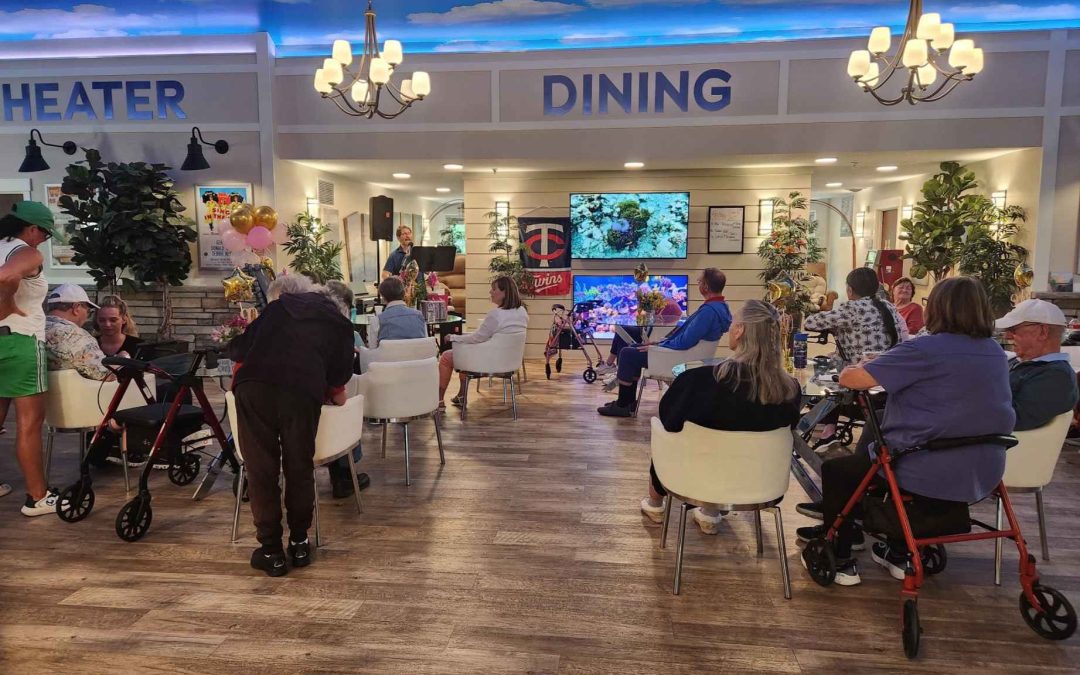
Our specialized facility features innovative technology, including computer-controlled circadian sky ceilings to naturally manage sundowning, 24/7 sensory relaxation rooms, and home-like exterior room designs that make navigation intuitive and stress-free. By keeping our community small, we ensure that every resident receives a personalized care plan tailored precisely to their specific stage of dementia or Alzheimer’s.
Proactive Planning and Hope for Families
Receiving a dementia diagnosis can feel overwhelming, but learning about the road ahead gives families the tools to navigate each transition with confidence. While progressive cognitive conditions bring undeniable challenges, thoughtful preparation allows families to focus on creating meaningful moments and preserving their loved one’s quality of life.
Modern memory care emphasizes personalized approaches that adapt to an individual’s changing abilities. From specialized environmental technology to small, home-like care settings, modern support models are designed to preserve dignity and comfort at every stage. Facing this journey with early education and a clear support strategy allows families to feel empowered rather than unprepared.
Common Questions About Dementia Stages
How fast do the stages of dementia progress
Progression varies significantly for every individual based on underlying health, the specific type of dementia, and individual factors. Some people remain in early or middle stages for years, while others transition more rapidly.
What is the difference between Alzheimer’s stages and general dementia
Dementia is an umbrella term for cognitive decline, and Alzheimer’s disease is one specific, common type of dementia. While general dementia can stem from various conditions like vascular issues or Lewy body disease, Alzheimer’s stages specifically follow a pattern beginning with short-term memory loss before impacting broader physical and cognitive functions.
When should a family consider professional memory care
Families often consider specialized memory care during the middle stage, particularly when safety concerns like wandering emerge, or when personal care needs exceed what can be safely managed at home.
Can a person in early stage dementia live alone
Many individuals in the early stage can live independently with appropriate support systems, such as medication management tools, family check-ins, and safety modifications in the home.
What are the main signs of transitioning from early to middle stage
Key indicators include increasing difficulty managing personal hygiene or dressing, disorientation in familiar environments, noticeable changes in personality or sleeping patterns, and needing regular help with daily tasks.
How can families communicate effectively during middle and late stages
Use short, simple sentences, maintain a calm tone of voice, make direct eye contact, and rely on supportive non-verbal cues like gentle touch and reassuring facial expressions.
Navigating a dementia diagnosis can feel overwhelming, but you do not have to do it alone. Experience our boutique 16-room community and state-of-the-art care technology firsthand by visiting our contact and schedule a tour page to book a personal tour of Atlas Villas Memory Care in Centerville today.
By: Atlas Villas Management
Last Updated: October 19, 2026
Atlas Villas Memory Care provides specialized, stage-appropriate dementia and Alzheimer’s support in a personalized 16-room community in Centerville, MN.